Hardening Your Home

Your best defense is to be proactive

Flying embers can destroy homes up to a mile ahead of a wildfire. Prepare your home now before the fire starts.

01

Create the 0–5 Foot Noncombustible Zone

Research from the Insurance Institute for Business and Home Safety (IBHS) shows that the first 0 to 5 feet around the structure, known as the immediate zone or noncombustible zone, has the greatest impact on your risk.

02

Maintain 30 Feet of Defensible Space Around Your Home

The area 5 to 30 feet surrounding the home and its attachments (e.g., decks, patios, overhead structures, stairs) is critical for reducing fire intensity and slowing fire spread. This zone must be created and maintained with proper horizontal and vertical separation of vegetation, structures, and other combustible materials.

03

Upgrade Vulnerable Building Features

See below for ways to prepare your home. Note each component’s vulnerabilities and implement practical steps to reduce your risk.
roof.webp

Roof

Your roof is one of the most vulnerable parts of your home in a wildfire. Wood or shake roofs are especially at risk. Use fire-resistant roofing materials such as composition shingles, metal, or tile, and seal gaps to prevent embers from entering.

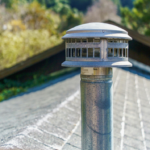
roof vent.webp

Vents

Vents on homes create openings for flying embers. Cover all vent openings with 1/8-inch corrosion-resistant metal mesh. Protect vents in eaves or cornices with baffles to block embers – mesh is not enough.

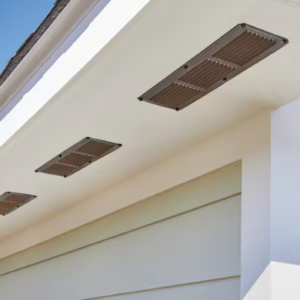
soffit vent.webp

Eaves and Soffits

Enclose or protect the exposed underside of eaves using noncombustible soffit materials.


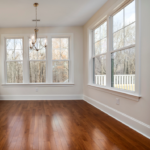
windows

Windows

Wildfire heat can shatter windows, allowing embers to enter and ignite a home. Single-pane and large windows are most vulnerable. Use dual-pane windows with tempered glass and limit large windows facing vegetation.

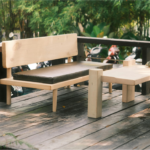
decking.webp

Decks

Surfaces within 10 feet of the building should be built with non-combustible materials. Remove all combustible items from underneath your deck, and enclose low decks with 1/8-inch corrosion-resistant metal mesh.

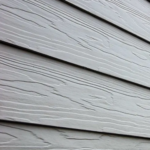
siding.webp

Exterior Walls

Build or remodel your walls with ignition-resistant building materials, such as stucco, fiber or cement siding, fire-retardant-treated wood, or other approved materials. Be sure to extend materials from the foundation to the roof.

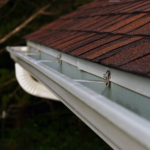
rain gutter.webp

Rain Gutters

Build or remodel your walls with ignition-resistant building materials, such as stucco, fiber or cement siding, fire-retardant-treated wood, or other approved materials. Be sure to extend materials from the foundation to the roof.

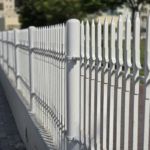
fencing.webp

Fences

Use noncombustible fence materials within 5 feet of your home to protect it during a wildfire.

The Insurance Institute for Business & Home Safety (IBHS) has developed a science-based wildfire mitigation program with an extremely comprehensive list of actions that homeowners can take to meaningfully reduce wildfire risk to their home and property.

Scroll to Top