
Home Ignition Zone
Your best defense is to be proactive
Wildfires don’t have to reach your house for it to burn—embers can ignite it if conditions around the home allow it.
01
Zone 1
Also called the Immediate Zone, this is the area 0-5 feet from the outermost part of the home (defined as a non-combustible area). Science shows this is the most critical zone to address, as it is most vulnerable to ember ignition.
02
Zone 2
Also called the Intermediate Zone, this is the area 5-30 feet around your home. Use strategic landscaping and hardscaping to create fuel breaks that help reduce fire behavior and spread.
03
Zone 3
Also called the Extended Zone, this is the area 30-100 feet around your home, out to 200 feet. The goal here is not to eliminate fire, but to interrupt its path and keep flames smaller and on the ground.
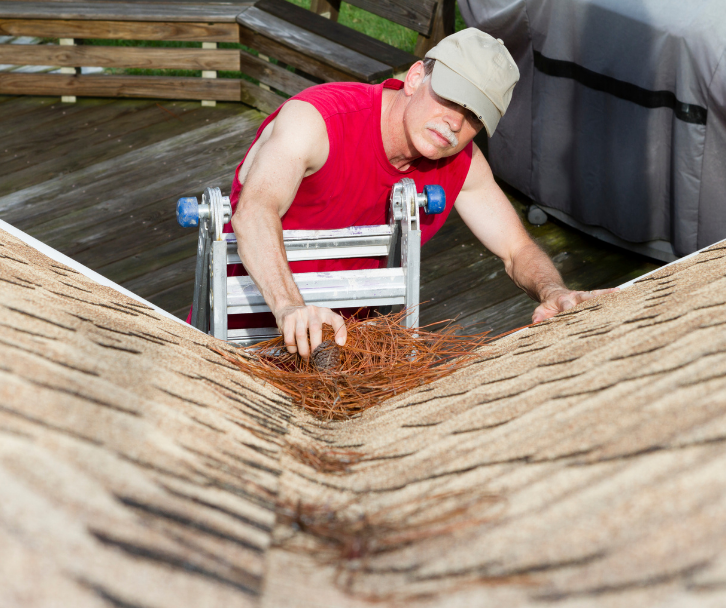
Zone 1 Tasks
- Clean roofs and gutters of dead leaves, debris and pine needles that could catch embers.
- Keep grasses and lawns mowed short and at least 3 to 5 feet away from structures. Look for ladder fuels of any sort in this zone, from plants to building materials, and rearrange or remove plants or other fuels as necessary.
- Use gravel, flagstone, and non-flammable decking adjacent to structures.
- Remove branches overhanging or touching the roof to a distance of at least ten feet.
- Remove all branches within 15 feet of a chimney.
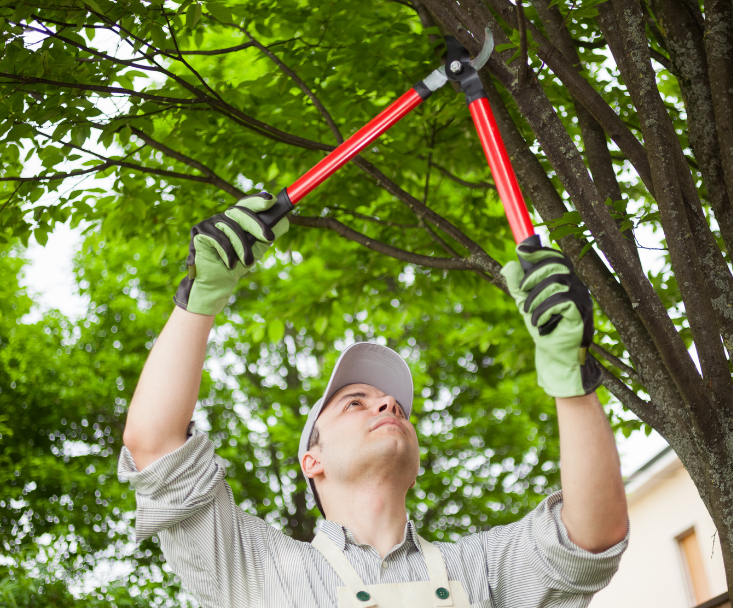
Zone 2 Tasks
- Consider trees in this zone as a part of the structure and plant them sparingly. Choose deciduous trees over more fire-receptive coniferous trees.
- Plan when planting trees so that branches will not reach near the structure.
- Prune branches back at least 10 to 15 feet away from structures, especially near chimneys.
- Remove ladder fuels from under trees. Prune trees up 6-10 feet from the ground, but do not exceed 1/3 of the overall tree height.
- Native grass lawns and recreated meadows are also possibilities for this zone. Consider drought-resistant native species, combinations of warm and cool season perennial grasses, as well as annual and perennial wildflowers.
- Walkways and pathways can be an effective tool in this zone to break up fuel continuity.
- Succulent plants and ground covers are good choices in this zone, as are flowerbeds and vegetable gardens. Such plants should be kept well-watered and free of dead material.
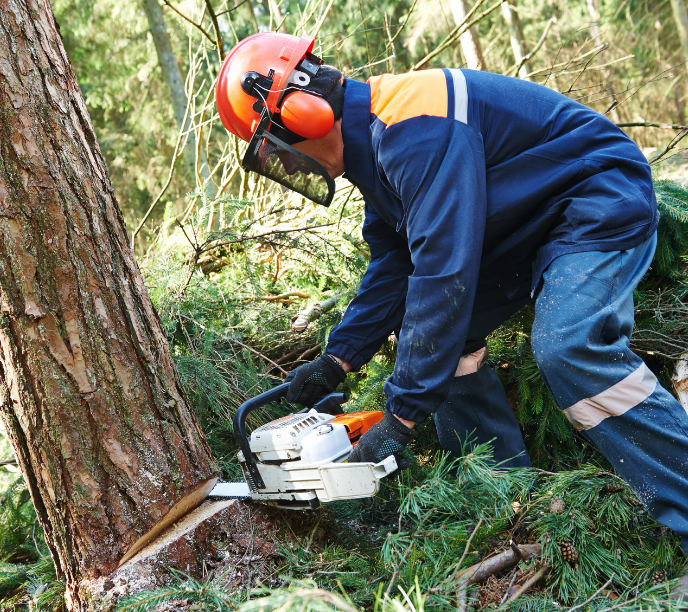
Zone 3 Tasks
- Dispose of heavy accumulations of ground litter/debris.
- Remove dead plant and tree material.
- Remove small conifers growing between mature trees.
- Use broadleaf trees to replace or buffer conifers in this area. Having more deciduous trees than evergreens is a good strategy to keep flames on the ground and out of the trees.
- Thin trees and shrubs to create at least 15 feet between crowns, more if on a steep slope. Crown separation is measured from the outermost branch of one tree to the nearest branch on the next tree.
- Utilize a limited number of isolated or small groupings of trees or shrubs maintaining crown spacing between those groupings.
- Remove ladder fuels from under trees. Prune trees up 6-10 feet from the ground, but do not exceed 1/3 of the overall tree height.
- Stack firewood and woodpiles at least 30 feet away and uphill from structures.
- Keep flammable vegetation at least 10 feet from woodpiles.
The California Department of Forestry and Fire Protection (CAL FIRE) has created a brochure with excellent diagrams of tree spacing.